
Mosquito Monitoring
Mosquito monitoring is undertaken by local experts who volunteer their time to improve the quality of life for our community. You can help with this monitoring by reporting bites. The more information we receive, the more we can create an accurate picture which in turn helps with targeting dredging works to minimise the mosquito menace. You can report bites here using our online form.
Mosquito Control
Whilst it is not possible to eradicate mosquitoes, Neston Town Council is committed to controlling the numbers in an environmentally responsible way.
The Town Council works with partners to implement a co-ordinated plan for mosquito control based on the concept of Open Marsh Water Management. Pool creation and ditching works, all of which are approved in advance by Natural England, are carried out as part of an ongoing and targeted programme, the effects of which are monitored and in turn inform future management.
Mosquito Forecast
Mosquito monitoring is undertaken by local experts who volunteer their time to improve the quality of life for our community. You can help with this monitoring by reporting bites. The more information we receive, the more we can create an accurate picture which in turn helps with targeting dredging works to minimise the mosquito menace. You can report bites here using our online form.
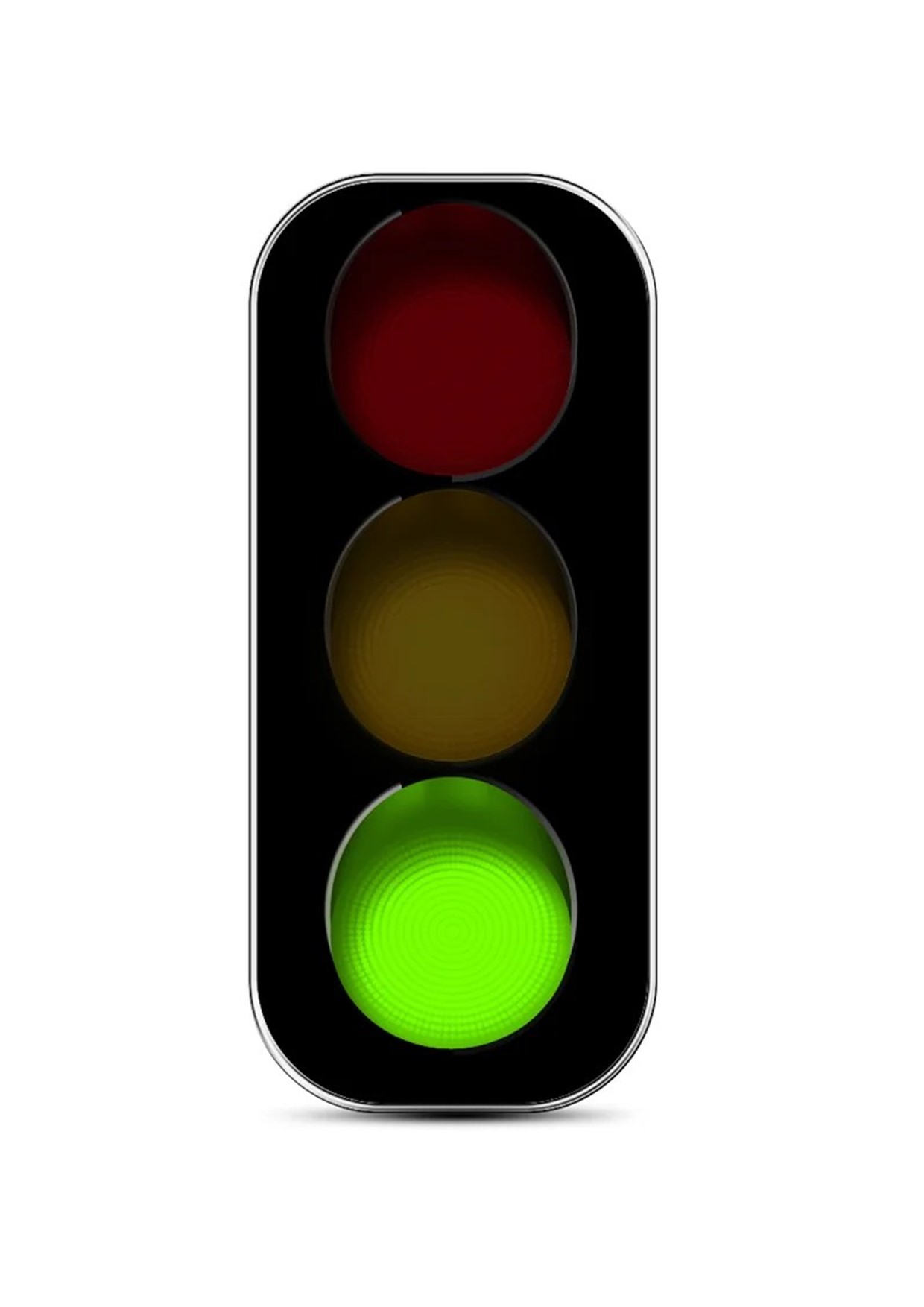
The current forecast is GREEN
There are still moderate numbers of mosquitoes about but the recent poor weather has limited their activity and the biting nuisance. This poor weather is forecast to last for the next few days and so the biting risk is likely to be low. However the mosquitoes will survive, sheltering in hedges and bushes, and will re-appear if the weather improves.
Please continue to report any bites (https://nestontowncouncil.gov.uk/council/mosquito-monitoring/report-a-mosquito-bite/): such reports are useful in improving the accuracy of this forecast and are being analysed by researches at the Liverpool School of Tropical Medicine, which has a longstanding excellence in mosquito research.
What can I do to protect myself from mosquito bites?
Insecticide sprays kill adults and can be used in houses and on flying and resting adults. Always read the label and product information before use.
The simplest way to reduce the biting risk is to cover up, with loose-fitting, pale clothing. Other effective methods to prevent bites are the use of repellents, as creams or sprays . The best products contain one of these four compounds:
- · DEET
- · IR-3535
- · Picaridin (also known as Icaridin)
- · Oil of Lemon Eucalyptus/PMD (this is a natural product)
These products are available in chemists in the Neston area and can also be purchased online. Always read the label and product information before use, especially if you intend to use on children.
The following do NOT work
- · eucalyptus/citronella/lemon eucalyptus (this is different from the Oil of Lemon Eucalyptus/PMD mentioned above)
- · Sonic mosquito repellers
- · Herbal extract bracelets
- · Avon’s Skin So Soft (not used by the SAS despite what the internet may suggest!).
- · Vitamins/garlic/alcohol/gin ……..
In general, insect repellents should be:
- · applied to all areas of exposed skin not covered by clothing
- · applied after sunscreen (be aware that the protection from your sunscreen may be reduced by the repellent, therefore use sunscreen with 30-50 SPF to ensure you are protected)
- · reapplied regularly,
- · reapplied after swimming, washing or excessive sweating
- · applied carefully around the face and eyes. Be careful not to breathe in the repellent – if using a spray, spray it onto your hands and then rub onto your face, avoiding your eyes
- kept away from synthetic clothes or plastics as it may damage them, for example credit cards, phones, watches or glasses.
Keys to traffic lights forecast
Red:
Serious risk. Many Neston residents are likely to be bitten, especially but not only in the evenings. Precautionary methods as outlined in the FAQs should be used when gardening or enjoying barbecues.
Amber:
Medium risk. Some Neston residents may be bitten, especially on still warm evenings.
Green:
Low risk. Neston residents are unlikely to be bitten.
Feedback on Mosquitoes and the Mosquito Monitoring Programme
Send us feedback on our monitoring reports by emailing us at: mosquitoes@nestontowncouncil.gov.uk
Further Reading
A report by Dr. Peter Enevoldson on mosquito monitoring during 2025 is available to download: Mosquito Monitoring 2025.
A copy of the study by Michael Clarkson, Phil Jones and Sandra Hughes‐Crean entitled “Domestic mosquitoes in the Neston area of Cheshire, UK”. This single page PDF summarises the detail and conclusion of a long term study into the mosquitoes on the Dee estuary marshlands around Neston and the immediate surrounding towns and villages. This document is downloadable here.